

In high-end packaging, visual appeal is only part of the customer experience. Texture, color contrast, and finishing details also influence how customers perceive a brand. A well-designed matte UV-printed paper bag combines a smooth surface with selective glossy accents, creating a refined appearance that helps luxury products stand out. For tea brands, gift retailers, and boutique businesses, these details can turn ordinary packaging into a memorable part of the product presentation. Therefore, choosing the right paper material and surface treatment plays an important role in building a consistent brand image.
1. Why Texture Matters in High-End Paper Packaging
Texture adds a tactile dimension to packaging that customers can appreciate before they even open the bag. While bright colors and attractive graphics capture attention, a smooth matte surface creates a subtle, understated appearance that suits premium products. In addition, selective UV printing introduces glossy details that contrast with the surrounding finish. This combination creates visual depth without overwhelming the overall design. As a result, brands can communicate quality and attention to detail through both appearance and touch.
For example, matte paper bags often work well for luxury tea, specialty food, cosmetics, and gift collections. Their restrained finish complements sophisticated branding and allows logos, typography, and decorative elements to remain visually clear. Meanwhile, businesses can introduce contrasting colors or selective gloss to highlight specific design features. This approach creates a balanced appearance that supports brand recognition while maintaining an elegant presentation.
2. How Matte and UV Finishes Create Visual Contrast
The effectiveness of a matte UV-printed paper bag comes from the relationship between its base finish and its glossy accents. A matte coating reduces surface shine, while UV printing creates a more reflective effect in selected areas. When designers apply these finishes strategically, the contrast draws attention to important brand elements without making the entire bag look overly glossy. Furthermore, this technique gives packaging a more distinctive appearance under different lighting conditions.
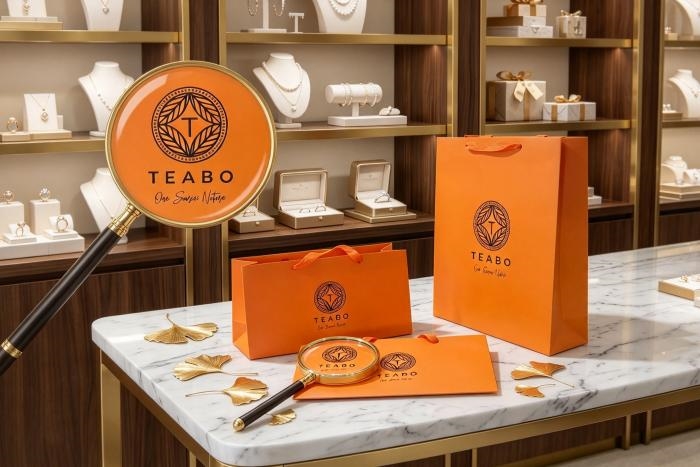
Consider a custom tea bag made from 230gsm cardboard paper. Its sturdy structure supports the bag’s shape, while a smooth matte coating creates an elegant exterior. Custom printing with a spot orange color introduces a distinctive visual accent, and spot green logo printing with a UV glossy finish adds another layer of contrast. Finally, satin ribbon handles complete the design with a decorative touch that suits upscale tea products and gift sets.
These elements work together rather than competing for attention. The orange color creates visual interest, the green logo helps establish brand identity, and the glossy treatment emphasizes the logo against the matte background. Consequently, the packaging feels cohesive and carefully designed instead of relying on excessive decoration.
3. Key Design Elements That Influence Packaging Quality
When developing custom paper packaging, businesses should consider how material, surface treatment, printing, and structure work together. Each element contributes to the finished appearance and practical performance of the bag. Moreover, a consistent design approach helps brands create packaging that reflects their positioning across different products and sales channels.
The following table outlines several important design choices and their roles in high-end packaging.
| Design Element | Main Characteristics | Branding Benefits |
|---|---|---|
| Paper material | 230gsm cardboard paper | Supports a structured shape and refined presentation |
| Matte coating | Smooth, low-shine surface | Creates an understated and elegant appearance |
| Spot color printing | Custom orange and green accents | Helps establish a distinctive visual identity |
| UV glossy finish | Selective shine on the logo | Highlights key branding details through contrast |
| Satin ribbon handles | Decorative ribbon construction | Adds a sophisticated finishing touch |
| Custom dimensions | Sizes tailored to product requirements | Supports different tea boxes and gift sets |
Although each feature serves a different purpose, the overall effect depends on how well they complement one another. For instance, a highly reflective logo may stand out against a matte background, but too many glossy elements can weaken the intended visual hierarchy. Therefore, designers should prioritize the logo and a few essential decorative details rather than adding effects to every printed area.
4. Why Paper Thickness and Structure Matter
Surface finishing attracts attention, but the paper structure also influences the customer’s overall impression. Thick paper bags can maintain a more defined shape and support a neat product presentation when the material, dimensions, and construction suit the intended use. In contrast, unsuitable paper or poorly planned dimensions may cause the bag to lose its shape or appear inconsistent with the product inside. For this reason, brands should evaluate material thickness alongside handle design, bag dimensions, and the weight of the intended contents.
A printed paper bag should also balance appearance with everyday usability. For tea gift sets, the bag needs enough structural support for the packaged products, while the handles should suit the expected carrying conditions. In addition, the print layout should account for folds, edges, and logo placement to maintain a clean appearance. By considering these factors during the design stage, businesses can create packaging that looks attractive and serves its intended purpose.
5. How Custom Paper Packaging Supports Brand Recognition
Packaging provides another opportunity for brands to communicate their identity beyond the product label. Consistent colors, recognizable logos, and carefully selected finishes can help customers associate a particular visual style with a business. For premium tea companies, this consistency becomes especially useful when presenting gift collections, seasonal products, or products for different retail channels. Furthermore, customized packaging gives businesses greater control over how their products appear in stores, at events, and in gift-giving situations.
When planning custom paper packaging, businesses can focus on several practical considerations:
- Brand identity: Choose colors, typography, and logo placement that reflect the company’s established visual style.
- Surface finishing: Combine matte coatings with selective UV details to create contrast without excessive shine.
- Material selection: Match paper thickness and bag construction to the product’s size, weight, and presentation requirements.
- Handle design: Select ribbon or paper handles that complement the overall packaging style and intended use.
- Customization: Adjust dimensions, printing, and decorative details to suit specific products or gift collections.
These considerations help businesses develop packaging that feels consistent across their product range. At the same time, a clear design hierarchy makes the brand easier to recognize without relying on complicated graphics.

6. Choosing the Right Paper Shopping Bag for Tea and Gift Products
A paper shopping bag for premium tea or gift products should reflect the quality and character of the items it carries. A smooth matte finish may suit minimalist brands, while selective glossy printing can add a distinctive accent to more decorative designs. Similarly, satin ribbon handles can complement luxury gift packaging, whereas simpler handle styles may better suit everyday retail applications. The right combination depends on the target audience, product category, and intended customer experience.
Sunshine Packaging offers customizable paper packaging options for businesses seeking distinctive product presentation. With choices in printing colors, surface treatments, materials, and decorative details, brands can develop packaging that aligns with their design requirements. For example, the 230gsm cardboard tea bag described above combines a matte exterior, spot-color printing, a glossy UV logo, and satin ribbon handles. This combination illustrates how carefully selected details can create a cohesive look for tea products and premium gift collections.
Before confirming a design, businesses should review the artwork, dimensions, material suitability, and finishing requirements. They should also consider how the packaging will appear under retail lighting and how the colors will work with existing brand assets. By evaluating these details together, brands can make more informed packaging decisions and maintain a consistent presentation.
Conclusion
Texture plays an important role in high-end packaging because customers experience a product’s presentation through both sight and touch. A matte UV-printed paper bag combines a smooth, understated surface with selective glossy accents, helping logos and decorative details stand out naturally. When businesses pair these finishes with suitable paper thickness, coordinated colors, and thoughtful handle design, they can create packaging that supports a distinctive brand image. Ultimately, well-planned paper packaging does more than carry a product; it helps communicate the care, quality, and identity behind the brand.